Guide
Borders that work.
Six steps to reworking a bed properly — written for anyone with a tired border and a free weekend, whether or not you ever ring me about it.
01
Redraw the bed before you buy a single plant
Most disappointing borders are simply too narrow. A 600mm strip along a fence can hold one row of things, which means no layering, no succession and nowhere for a shrub to sit behind a perennial. Before choosing anything, redraw the bed: 1.2 metres is a working minimum for a mixed border, 1.8 to 2.5 metres is where they start to look like the photographs. Taking that depth out of a lawn almost always improves the lawn too, because what is left is a clean shape rather than a leftover.
02
Find out what the soil actually is
Dig three holes in different parts of the bed, a spade deep. You are looking for what the soil does when you squeeze it, how far down the roots and worms go, and whether the hole still holds water an hour after you have filled it. Much of west Kent sits on clay over chalk or greensand, which means different halves of the same garden can behave completely differently. Everything else on this page depends on getting that answer right, and no amount of compost turns a wet clay corner into a gravel garden.
03
Structure first, flowers second
Put the evergreen and woody structure on the plan before anything that flowers: a few clipped shapes, a multi-stem tree or a large shrub to anchor a corner, an evergreen or two repeated along the length. This is the part that is doing the work in February when nothing is in flower, and it is the part people leave out because it is not what is on the trolley in June. Get the structure right and the border still looks deliberate for the four months a year nothing much is happening.
04
Repeat, don’t collect
The single biggest difference between a designed border and a hobbyist one is repetition. Three of something, used five times along the border, reads as a scheme. One of everything reads as a collection — interesting up close, restless from the house. Pick a short list, buy them in odd-numbered groups, and repeat them down the bed. It is cheaper as well, because you are buying fewer varieties in bigger quantities.
05
Plant densely enough to close the gaps
Weeds appear where there is bare soil and light. Planting at a spacing that lets the perennials knit together within two seasons is the most effective weed control there is, and far more pleasant than a membrane under gravel. As a rough rule, most herbaceous perennials go at five to seven per square metre, grasses a little wider, and ground-cover tighter still. Mulch the first two springs while it fills in, then stop — established, dense planting mulches itself.
06
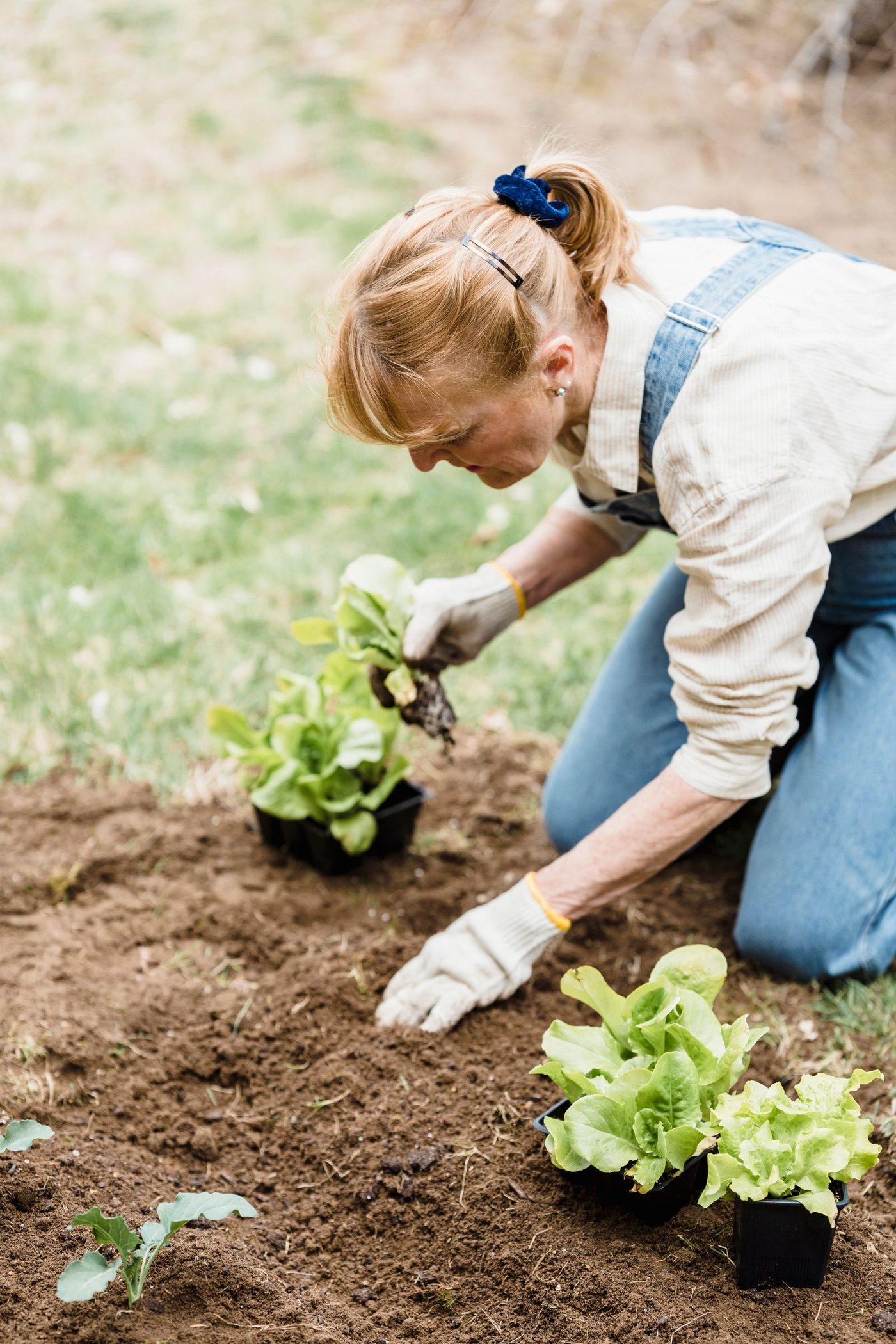
Plant in autumn if you possibly can
Autumn is the best planting window in this country for most things. The soil is still warm, the rain does the watering for you, and roots get established over winter so the plant goes into spring ready to grow rather than ready to sulk. Spring planting works, but it commits you to watering through the first summer, and the first summer is always the one people underestimate. Container-grown stock can go in most of the year — just avoid frozen ground and drought.
Four things worth unlearning.
“Low-maintenance” gardens
Lower-maintenance is real. No-maintenance is not, and the things usually sold as no-maintenance — artificial grass, a sheet of membrane under gravel — are also the least pleasant to sit in and the worst for everything that lives in the garden. What genuinely reduces work is the right plant in the right place, dense planting, generous bed shapes rather than fiddly ones, and hard landscaping detailed so it does not collect leaves in every joint.
“It’ll look like the drawing next summer”
Perennials and grasses will read properly by the end of their first full season and be at their best in year two or three. Shrubs take three to five years to do their job. Trees are a longer conversation. A good planting plan expects that: deliberate from the first month, better every year, rather than finished on day one and tired by year three.
“We’ll just get some colour in”
Colour is the easiest thing to add and the least important thing to decide. Shape, height, texture and when things happen are what make a border look composed; colour is the layer over the top. If you start with colour, you end up with a border that is spectacular for a fortnight in June and awkward for the other fifty weeks.
“The soil is terrible, so nothing will grow”
Almost every soil grows something beautifully — it just may not be the thing you first had in mind. Heavy clay is the envy of anyone on chalk for most shrubs and roses. Dry, thin soil over chalk grows a Mediterranean palette that would rot in a week on wet clay. Choosing for the soil you have is much cheaper, and much more successful, than fighting it for a decade.
Or have it drawn properly.
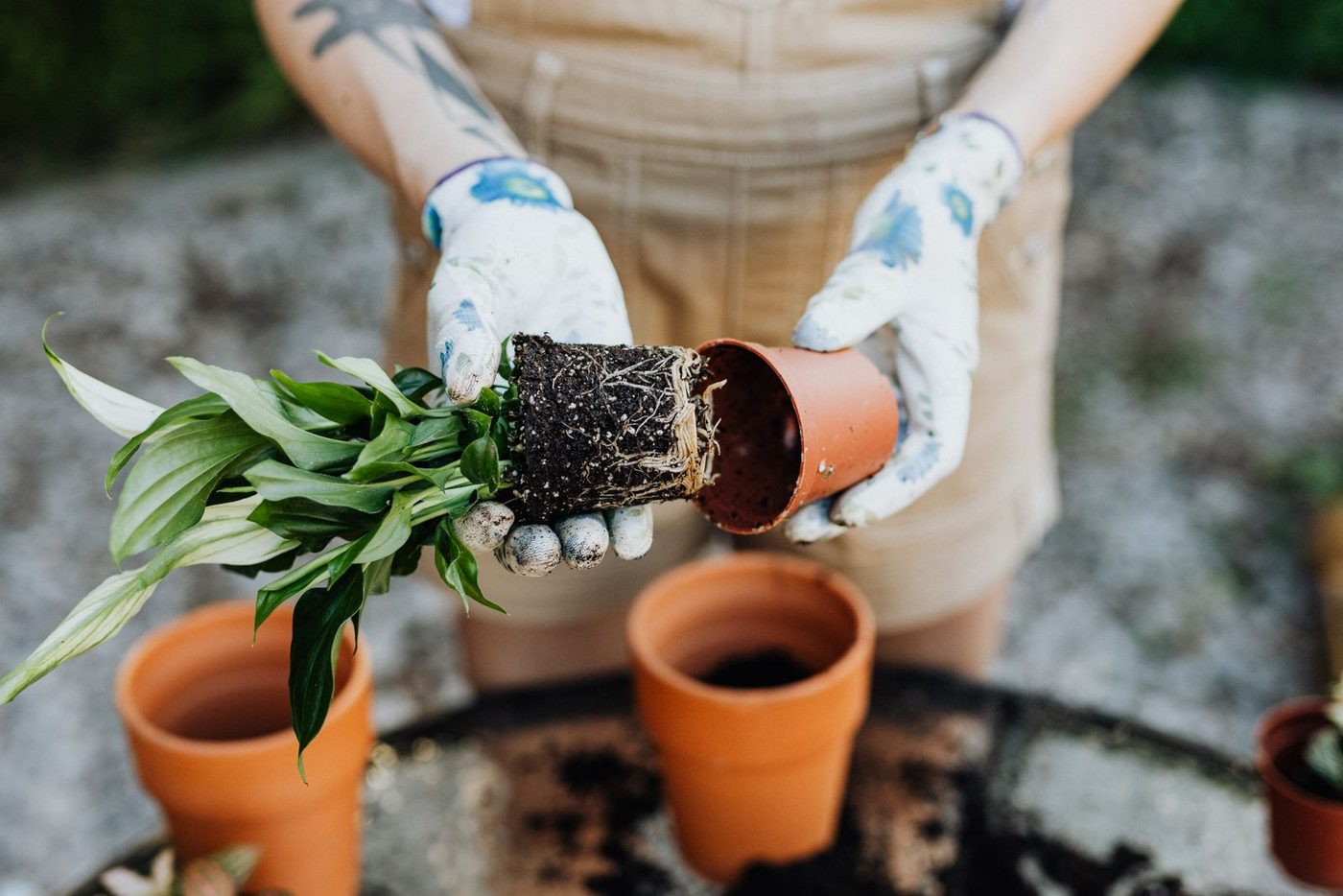
A bespoke planting plan does all of the above on paper first: species, quantities, spacings and positions, chosen for your soil and aspect and set out so the border can be sourced and priced as a list. It is the cheapest stage of any garden project and the one that decides whether the border still looks right in five years.